
For non-Arabic speakers, the desire to connect with the Quran can feel daunting, tangled in unfamiliar script and pronunciation. But what if you could learn correctly, understand deeply, and recite beautifully, all from the comfort of your home? This guide will show you exactly how modern online Quran classes are designed to dismantle these barriers. We’ll explore the key benefits, from personalized Tajweed lessons to flexible scheduling, provide a checklist for choosing the right academy, and answer your most pressing questions to start your transformative journey with confidence.
Top 5 Benefits of Online Quran Classes for Non-Arabic Speakers
The digital approach to learning Quran online offers unique advantages specifically tailored to overcome the hurdles faced by non-native speakers.
1. Personalized, One-on-One Attention
Unlike crowded classrooms, most reputable platforms offer dedicated one-on-one sessions. This means the teacher’s full focus is on your pronunciation, your pace, and your specific questions. This personalized feedback is invaluable for Quran for beginners who need to build a strong, correct foundation without embarrassment.
2. Learning Correct Tajweed from the Start
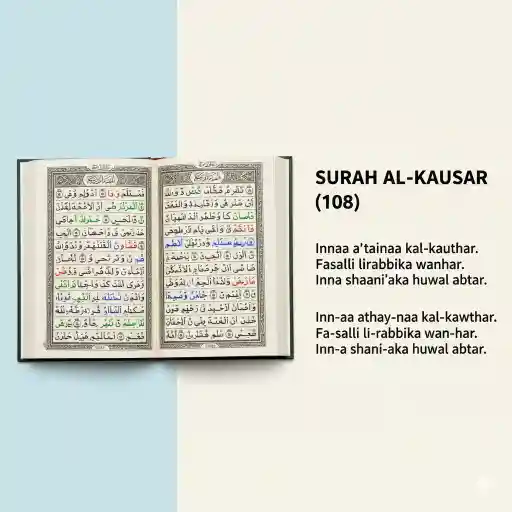
Tajweed rules for beginners are crucial. A qualified online teacher uses screen sharing, digital Qurans, and audio-visual aids to meticulously demonstrate the placement of the tongue, elongation (Madd), and stops (Waqf). You learn the rules correctly from the outset, preventing the entrenchment of mistakes.
3. Flexibility and Convenience for Busy Lives
The biggest practical hurdle—attending a physical institute—disappears. You can schedule flexible Quran learning around work, school, or family time. This removes a major obstacle to consistency, making it easier to integrate Quran recitation practice into your daily routine.
4. Access to Female and Specialized Teachers
Geography is no longer a limit. You can find the perfect teacher for your needs, whether that’s a female Quran teacher online for yourself or your daughter, or a specialist in Hifz (memorization) or Tafseer (explanation). This access ensures comfort and expertise.
5. Structured Learning with Visual & Interactive Tools
From interactive Noorani Qaida online apps to software that highlights verses, modern tools make Quranic Arabic for beginners less abstract. These visual aids, combined with a structured curriculum, enhance understanding and retention significantly compared to self-study.
A Step-by-Step Guide to Start Learning Quran Online
Step 1: Finding a Reputable Online Quran Academy
Research is key. Look for academies with certified teachers (Ijaza), transparent pricing, and free trial lessons. Read reviews and ensure they have experience teaching non-Arabic speakers. Your search for the best online Quran academy should prioritize quality over cost.
Step 2: Your First Class & Assessment
Your initial session is typically an assessment. The teacher will evaluate your current level, whether you’re a complete beginner or know some basics, and discuss your goals (e.g., learn to read Quran, memorize Quran online, or understand Quran meaning). This informs your personalized plan.
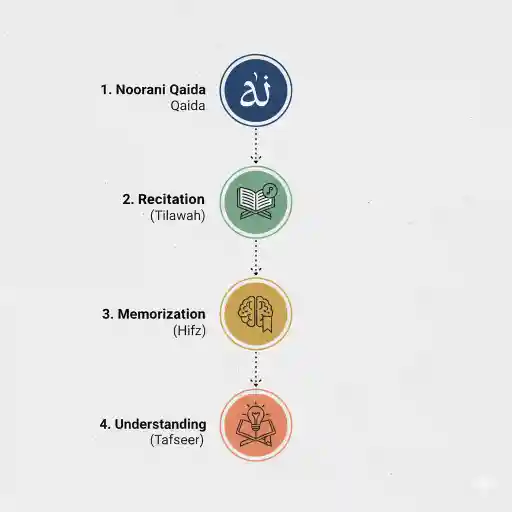
Step 3: The Typical Learning Pathway (Noorani Qaida to Hifz)
Foundation: Start with Noorani Qaida to master Arabic letters, vowels, and basic rules.
Recitation: Begin reading the Quran with Tajweed, starting with short Surahs.
Memorization (Hifz): If desired, start a structured memorization program.
Understanding (Tafseer): Integrate lessons on translation and meaning to deepen connection.
Overcoming Challenges: Tips for Success
Staying Motivated and Consistent
Set small, achievable goals (e.g., master one rule per week). Join online communities of fellow learners for support. Remember your “why” – the spiritual goal of connecting with the Quran.
Practicing Effectively Outside of Class
Daily practice, even for 15-20 minutes, is key. Use recordings from your teacher, Quran apps with audio playback, and revision tools provided by your academy to reinforce what you’ve learned.

Conclusion: Your Spiritual Journey Awaits
The path to understanding and reciting the Quran is now more accessible than ever for non-Arabic speakers. Online Quran classes provide a bridge built on expertise, technology, and personalized care. By choosing the right program and committing to consistent practice, you can overcome the language barrier and embark on a fulfilling and profound spiritual journey. Take the first step today by exploring a trial lesson—your connection to the Divine Words awaits.
FAQ's
People Also Ask (Common Questions Answered)
Yes, absolutely. With a qualified teacher, a good internet connection, and a camera, the learning process is very effective. The teacher can see and hear you clearly, providing immediate correction, just as in person.
Ask about their certification (Ijaza), their experience teaching non-Arabic speakers, and their teaching methodology. Always opt for a trial lesson to assess compatibility and teaching style.
You need a stable internet connection, a device (laptop/tablet) with a camera and microphone, and software like Zoom or Skype. A quiet space is also essential for focused online Islamic education.
They can be highly effective. Reputable academies offer Quran classes for kids with engaging, child-friendly teachers who use interactive methods and games to maintain interest and make learning fun.